

The Origin of Solo Complex
Solo Complex began as an experiment.
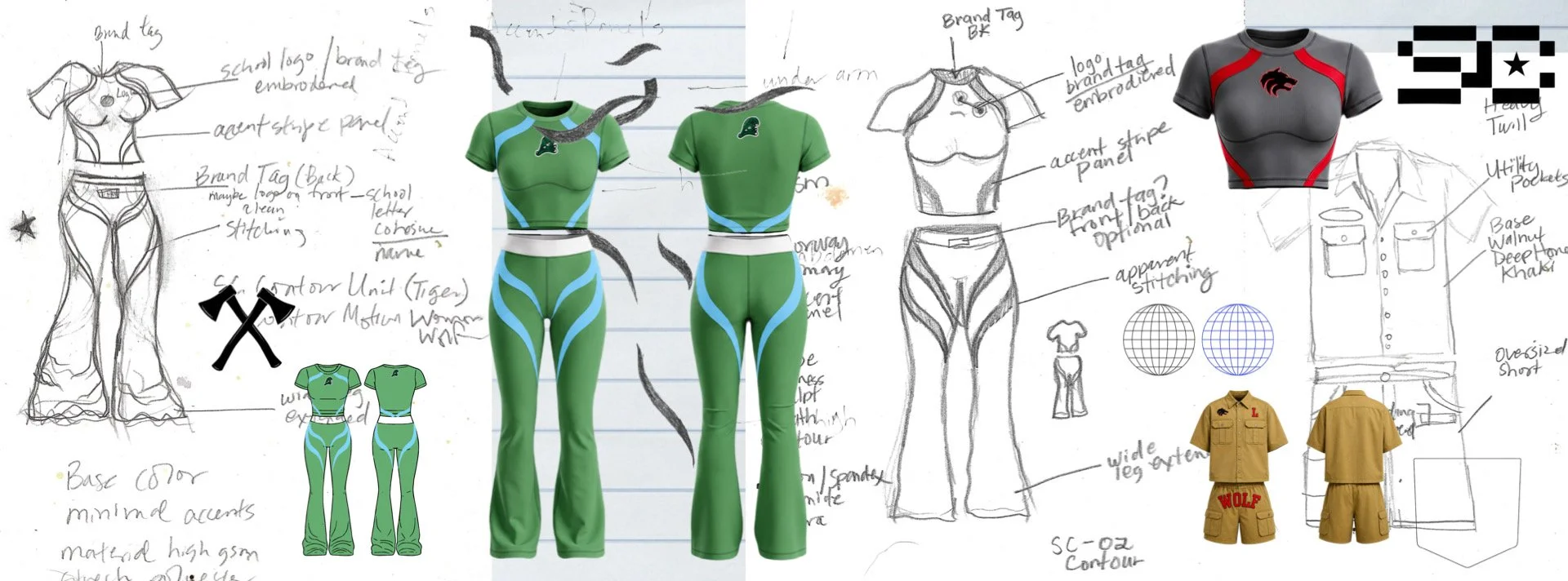
What started as a small design exploration for school homecoming culture quickly evolved into something much larger — a new way of thinking about institutional apparel, identity, and movement.
Founded by multidisciplinary artist and designer TySolo, Solo Complex emerged from a simple observation: traditional school and spirit wear often lacked intention, structure, and cultural relevance. The pieces served a function, but rarely reflected the confidence, individuality, and elevated style of the people wearing them.
What began as experimental homecoming concepts — redesigning silhouettes, reshaping uniforms, and reimagining school identity through fashion — soon developed into a growing design system.
Today, Solo Complex exists as a hybrid intersection between streetwear, sportswear, and institutional design — creating elevated garments that merge performance, utility, and expression into wearable form.
Inspired by athletic movement, cultural identity, language, and everyday environments, the brand approaches apparel as more than clothing. Each piece is designed with structure, intention, and motion in mind — considering not only how it looks, but how it shapes, moves, and feels.
At its core, Solo Complex challenges the idea that institutional apparel has to feel temporary, disposable, or generic.
Instead, it asks:
What happens when performance meets identity?
This is where sport meets culture.
Where utility meets design.
Where movement becomes expression.
This is Solo Complex.
About the Founder
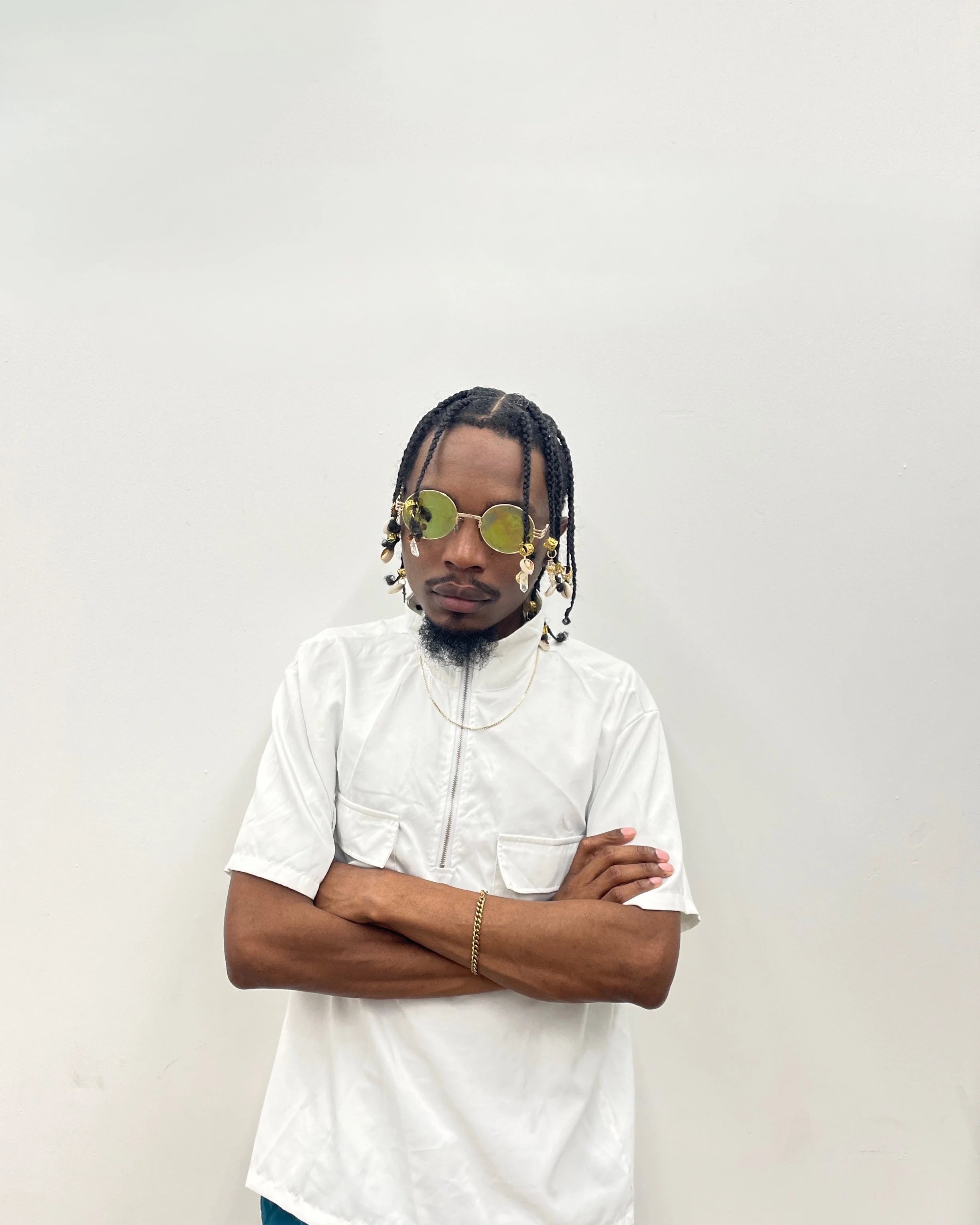
Founded by Tyrus Solomon, professionally known as TySolo, Solo Complex is the product of an artist, designer, and systems thinker committed to reshaping the relationship between identity and design.
Originally from South Louisiana and now based in Memphis, Tennessee, Tyrus built his creative foundation as a visual artist and muralist — developing a distinct visual language rooted in culture, storytelling, movement, and form. His work has been exhibited internationally and spans fine art, murals, creative direction, branding, and product design.
Alongside his artistic practice, Tyrus earned a Google UX Design Professional Certificate, expanding his understanding of systems thinking, user-centered design, structure, and intentional experiences.
This intersection of art and design thinking became foundational to Solo Complex.
Rather than approaching garments solely from a fashion perspective, Tyrus views apparel as an experience — something that should function, communicate identity, and move intentionally with the wearer.
Through Solo Complex, he explores the space between elite sportswear and elevated street utility, creating garments that feel culturally aware, structurally considered, and visually distinct.
What began as a homecoming experiment became a growing design ecosystem — one built on the belief that institutional fashion can be aspirational, functional, and expressive all at once.
For Tyrus, Solo Complex is more than a brand.
It is an evolving system of movement, identity, and design.